
Get called with a diagnosis, not just an alert.
When a P1 fires at 3 AM, an AI voice calls the on-call engineer, summarizes what the monitors show and, if they approve, runs a fixed runbook. No laptop needed for the first response.

Bring one recent incident. I show where a call would have saved time.
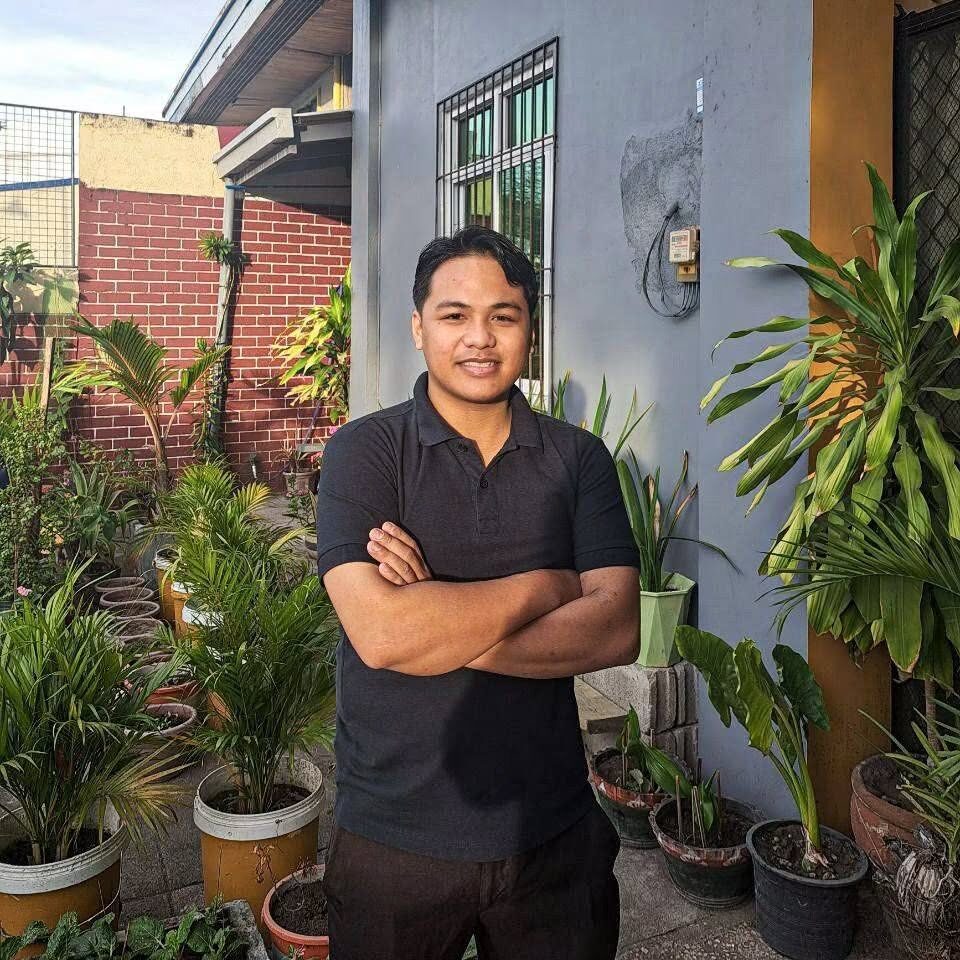
Kenneth DungcaFounder, KRD Systems
- Fixed runbooks onlythe AI picks from your approved actions, it never improvises commands
- PIN plus Slack approvaltwo checks before anything changes
- Kill switchone Slack command turns the voice agent off
- Your accountsruns on your infrastructure and your provider accounts
The 3 AM tax
The first ten minutes of an incident are mostly finding the laptop, the right dashboard and the right command.
Alerts without context
A page says something is wrong, not what changed or what to try first.
Slow first response
Time is lost between waking up and being at a keyboard.
Post-mortems from memory
The timeline is rebuilt the next day from chat scrollback.
The goal is a faster, safer first response, not an AI that runs production.
What the bridge does
- Calls youOutbound call on P1 alerts from Datadog, CloudWatch or Prometheus, with a short summary of the anomaly.
- Runs a fixed runbookRestart, rollback or scale, executed by deterministic n8n workflows that you approved in advance.
- Checks it is youA spoken PIN and a Slack approval are both required before any action.
- Writes it downEvery call and action is logged, and a post-mortem draft is posted to Slack or Jira.
- AI bridgeP1 on checkout. Error rate is 14%, started 3:07 after a deploy. Say your PIN to continue.
- On-callPIN given. What can you do?
- AI bridgeI can roll back the last deploy. I have sent a confirmation to Slack.
- On-callConfirmed in Slack. Roll back.
Result: rollback runs from a fixed runbook, the call is logged and a post-mortem draft is posted in Slack.
Rolled out in seven stages
Each stage has its own kill switch, and you can stop at any stage.
Shadow
Read-only. It calls and summarizes, nothing is executed.
Staging
Dry runs, then write canaries in staging only.
Production, low risk
A share of low-priority incidents, non-destructive actions only.
Full SLA
All approved runbooks, with high-impact actions last.
Kill switch: a Slack command disables the voice agent, and a 10-second PagerDuty heartbeat fallback pages a human if the agent stops responding.
Scoped per team
All prices in USD, in milestones.
From $6,500 setup in milestones, then from $1,500 per month with an SLA.
You need working monitoring first. If you do not have it, an observability setup phase comes before the bridge, priced at $2,500 to $4,500 depending on scope.
Questions engineers ask
Can the AI run arbitrary commands?
No. It can only trigger runbooks you approved in advance. Each one is a deterministic workflow with a defined scope.
What if the voice agent misbehaves?
Disable it with one Slack command. If the agent stops responding, the PagerDuty heartbeat fallback pages a human within 10 seconds.
What do we need first?
Working monitoring and alerting, and an on-call process. Without those the bridge has nothing to summarize.
Who owns the accounts and the code?
You do. The workflows, assistant configuration and provider accounts are yours. I keep only my reusable templates.

Be on the call with the answer, not just the alert.
Book a free 45-minute callWant a faster first response?
Tell me about your stack and your last painful incident. I reply within one business day to book a free 45-minute call.
Kenneth DungcaFounder of KRD Systems. You talk to me directly on the call.